
How Campus Cards Quietly Support Student Independence
How Campus Cards Quietly Support Student Independence
When we think about student independence, we often picture the big moments. Move-in day. The first class. The first weekend away from home. The moment a parent drives away and a student begins a new chapter on their own.
But independence is not built only through major milestones. More often, it takes shape in quieter ways including everyday routines, small decisions, and learning how to navigate a new environment with growing confidence.
That is one reason campus cards deserve more attention than they often receive.
In higher education, campus cards are often viewed through an operational lens. They support access. They connect students to services. They help campuses function smoothly and securely. All of that is true.
But from the student perspective, the campus card often becomes something more than a credential. It becomes one of the first tools they use to move through campus life independently.
For many students, the campus card quickly becomes part of the rhythm of daily life. It helps them enter residence halls, pay for meals, access academic buildings, use printing services, visit recreation spaces, check out library materials, ride campus transportation, and participate in events. On the surface, these may seem like routine transactions. In reality, they represent something much bigger. They are part of how students begin building confidence, responsibility, and self-sufficiency.
As a mom of a daughter preparing to start college this fall, I have found myself thinking about independence in a different way. Of course, I think about the big transitions ahead. But I also think about the smaller moments that will shape her experience such as learning where to go, managing her day, accessing the resources she needs, and beginning to feel at home in a new environment. Those quiet moments matter, and the tools that support them matter too.
That is part of what makes campus cards so important. They quietly reduce friction in everyday life. They help students do things for themselves. They make it easier to move from one part of the day to the next with less uncertainty and more confidence. When students can independently access the spaces and services they need, they gain more than convenience. They gain a growing sense that they can manage life on campus.
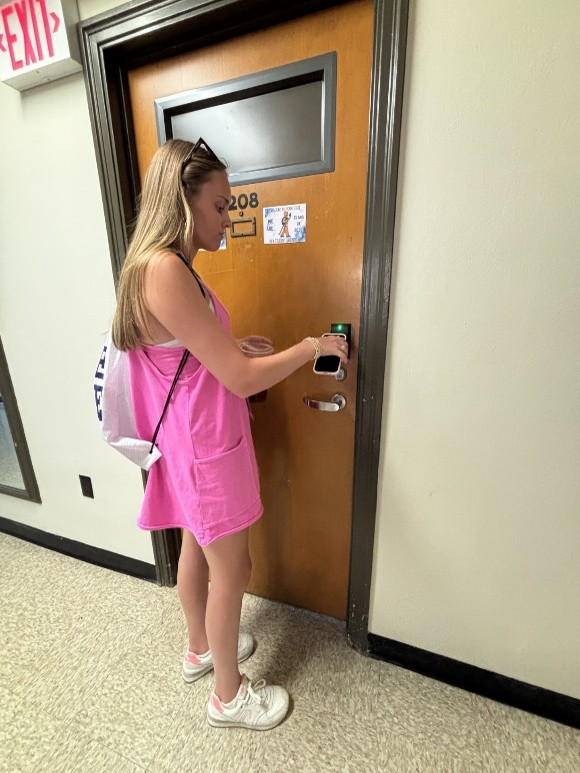
For new students especially, that confidence matters. College can feel exciting and overwhelming at the same time. Systems that are clear, accessible, and easy to use help students focus less on logistics and more on settling into their new environment and engaging with their community, ultimately finding their footing on their new campus. A campus card may seem like a small part of that journey, but it can have a meaningful impact on how supported a student feels from the very beginning.
There is also something symbolic about the campus card. For many students, receiving it is one of the first moments that makes college feel real. It represents identity, access, and belonging.
It is a simple object, but it carries meaning. It says, in both practical and personal ways, “You are part of this community now.”
During New Student Orientation, I watched my daughter begin learning about the credential she will use throughout her time at Penn State. To her, it may have seemed like one more item on a long orientation checklist. To me, both as her mom and as a member of the NACCU staff, it represented much more.
This small credential will help her enter spaces, access services, manage everyday needs, and solve problems without always having to ask someone else to do it for her. It was a simple moment, but it offered an early glimpse of the independence she will continue building once the fall semester begins.
That is why the work of campus card professionals matters so deeply. Campus card offices do far more than issue cards and manage systems. They help shape the student experience in ways that are often invisible, but incredibly important. A thoughtful, student-friendly card program can make campus feel easier to navigate, more secure, and more welcoming. It can support not just operations, but student growth.
For NACCU members, that is a meaningful reminder. The work happening behind the scenes in card offices across our campuses helps students build independence one step at a time. It supports the ordinary moments that, together, become the foundation of confidence and success.
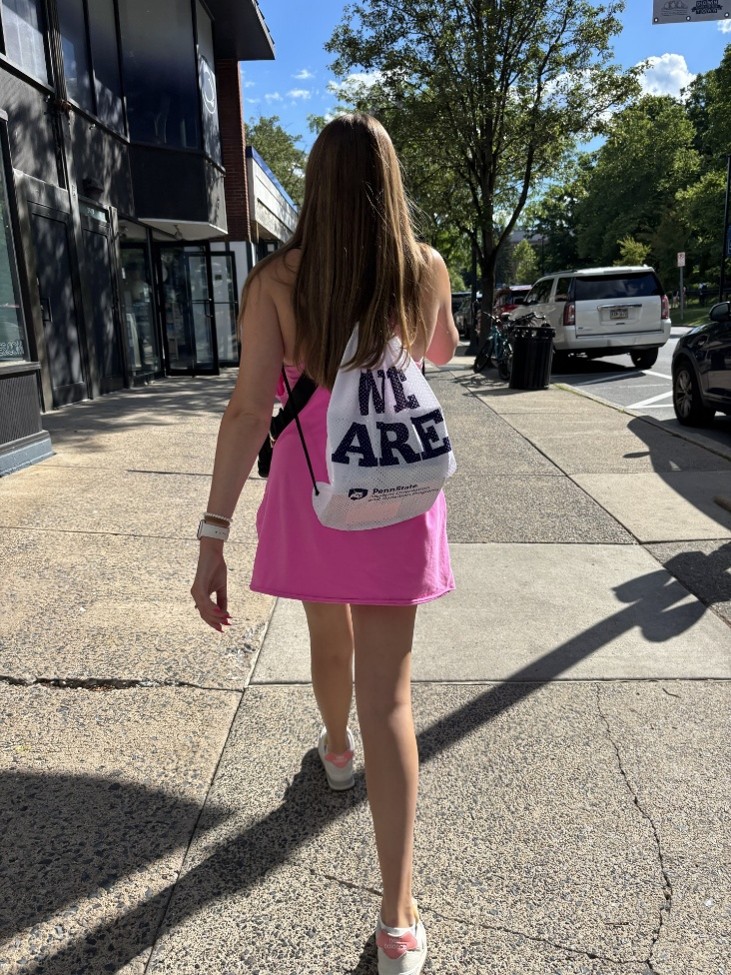
At several points during orientation, I found myself deliberately taking a step back. Instead of immediately answering a question or helping her find the next location, I watched her check the schedule, follow the signs, and figure out where she needed to go.
For those of us who work in and around campus card programs, that is an important perspective to remember.
Every clear instruction, successful tap, welcoming interaction, and thoughtfully designed process gives a student one more opportunity to say, “I can do this.”
As I prepare to send my daughter to college this fall, I know her independence will grow through the milestones we celebrate and through hundreds of ordinary moments I may never see. She will learn her routines, find her resources, solve problems, and begin moving through campus with confidence.
Campus cards may work quietly in the background, but their impact is anything but small. By helping students access what they need, when they need it, they support one of the most important parts of the college journey: learning to live, learn, and thrive independently.