
How UM Western Built Big Engagement with a Simple Idea
How UM Western Built Big Engagement with their Paw Print Incentive Program
If you have ever wished your student ID card could do more than open doors and buy lunch, the University of Montana Western has a story you will love.
At UM Western, a small campus in Dillon, Montana, the Bulldog Card has become the engine behind a wildly popular incentive program that keeps students showing up for events, studying in the library, and connecting with campus life. It is called the Paw Print Program, and it blends creative rewards with some smart system configuration to turn engagement into something students can literally track and spend.
UM Western is small, about eleven hundred students in a tight knit community. That size has become a strength. It lets them experiment, test ideas quickly, and really see the impact of what they build. The campus also runs on a block schedule. Students take one class at a time, three hours a day for eighteen days, four blocks per traditional semester. That schedule is intense and can encourage students who live off campus to come for class and then immediately disappear. The Paw Print Program was designed to push against that pattern and give students a reason to stick around.
The basic idea is simple. Students earn Paw Print points every time they participate in certain activities. Those points accumulate all semester in a stored value account tied to the Bulldog Card. At the end of the term, students spend their points at a live and silent auction loaded with prizes they actually care about.
Behind that simple idea is a thoughtful technical design. Western uses Transact with a stored value account dedicated to Paw Prints. They use iValidate on iPads and a few handheld devices in high traffic areas like the library and learning center. Events are set up as Transact events with their own tenders and mappings. Those events are linked to specific profiles on iValidate so that staff can simply tap the right button, swipe or tap a card, and record attendance.
On the Transact side, there is some upfront work at the start of each term. Not every student arrives with a Paw Print account already attached, so the card office runs a batch update through the customer modify tool to add the stored value wallet to all eligible students. They also maintain event plans to distinguish between actively enrolled students and those who have left, which is helpful not just for the incentive program but for athletic ticketing and access control.
Once that foundation is in place, Paw Prints becomes part of the fabric of campus life. Students can earn points for many different things. Daily visits to the library or learning center, academic workshops, drama and theater performances, athletic events, and special programs run by offices like TRIO or Montana Ten all offer credit. The number of points per event varies. Academic or high priority events earn more. Western adjusts values each semester based on what they want to promote, how many events are offered, and feedback from students.
On the back end, the data comes back into the reports. Every block, roughly every eighteen days, the card office pulls event data, matches student IDs to attendance, and uploads point totals to the Paw Print stored value account. Late arrivals are not left behind. If a new student appears in the error logs without an account, staff manually attach the wallet and bring that student up to date.
Because this is a points program, students naturally want to know where they stand. Western leans on the Transact mobile app for that. Students can open the app to see their Paw Print balance alongside their flex dollars and other accounts. For those who prefer in person help, card office and dining locations can run a balance inquiry at the register and print it out.
The real magic happens at the end of the term. Western does not hold weekly drawings. Instead, Paw Print points build all semester, leading to a big capstone event: the auction. Each auction has a fun theme chosen by student vote. Recent themes have included retro and eighties inspired designs. The space is decorated, staff dress up, and the energy feels more like a party than a formal event.
There are two parts to the auction. First, a silent auction where items are laid out with bid sheets and students write in their bids in points. After a set window, the winner for each item is announced. Then comes the live auction with higher value items and a more traditional bidding format. Students hold up cards or call out bids, and it becomes a lively, loud, and surprisingly competitive scene.
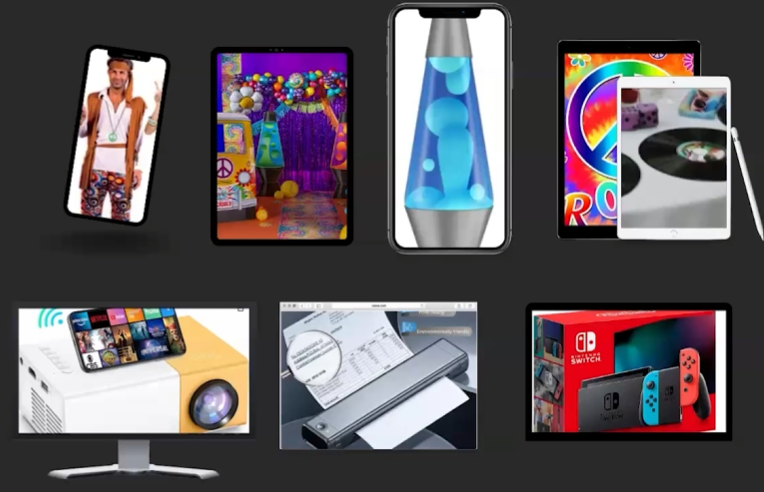 What do students bid on? The catalog changes every term, but it always reflects what they say they want. TVs, game consoles, Nintendo Switches, dorm room items, and gift cards are staples. Experiences have also been hits, such as a ride along with the campus police chief. That one cost the program nothing yet generated huge excitement. All of the physical items are funded through the ID card operation. Money collected for IDs is reinvested directly into student rewards, so the program essentially uses its own revenue to give back to the same population.
Not every student has the same level of engagement, which is why data is such a big part of the story. UM Western tracks how many students participate, how that changes over time, and how many events typical students attend. When enrollment dropped, participation numbers shifted as well. Instead of guessing why, the card office looked at the data, surveyed students, and learned that many participants were still mostly on-campus residents. Off-campus and commuter students remained harder to reach.
That insight shapes future strategy. Staff are now exploring more events that appeal to off-campus students, plus ideas for online friendly engagement, so students who are not physically present every day still have a way to participate. They are also experimenting with bonus events, like themed fan gear Fridays where anyone wearing school gear can swipe their card to earn extra points. They are even considering tying points to entries at the new student wellness center, which would connect physical wellness with engagement.
Security is always a concern with any points or currency style program. UM Western tackles this through both process and reporting. For locations like the library where students earn points for time spent, staff use a system where students swipe in and out, and they must stay for a minimum time to qualify. The card office reviews reports regularly and looks for suspicious patterns, such as repeated rapid swipes. When they see attempts to game the system, they simply remove the extra points and, if necessary, follow up with the student. Clear rules and regular communication help set expectations and keep misuse rare.
None of this happens in a vacuum. The Paw Print Program works because it sits at the intersection of technology, student affairs, academic support, and community partners. The card office partners with TRIO, Montana Ten, athletics, theater, the library, and many others to build a rich menu of qualifying events. Local businesses donate prizes for the auction. Campus leadership sees the program as a tool for retention and student success, not just a fun extra.
There is also a willingness to share and learn. UM Western borrowed the core concept from Montana State University’s Chump Change program, then adapted it to fit their environment and ecosystem. They have in turn brought their own version to NACCU conferences, letting colleagues use temporary Bulldog Cards to experience the program firsthand during sessions and social events. That live demo at the conference reinforced a key message. A campus card can be more than a key or a payment token. It can be a nudge, a reward, and a bridge that draws students into the life of the institution.
If you are considering an incentive program on your own campus, UM Western’s experience suggests a few themes. Start with technology you already own and know well. Make it easy for students to participate, and just as easy for them to see their progress. Tie points to behaviors that support your mission, whether that is academic success, community building, wellness, or all of the above. Use data to refine the program every term. And never underestimate the power of a creative prize table and a well run auction to turn something that looks like a back end reporting project into the most talked about event of the semester.
Learn more - watch the recorded webinar here: