
Why Student Workers Are the Secret Sauce of a Great Campus Card Center
Why Student Workers Are the Secret Sauce of a Great Campus Card Center
Let’s be honest: running a campus card office can feel like working in the absolute center of campus chaos. On any given day, we’re balancing physical credentials, mobile credentials, door access, meal plans, and point-of-sale systems all while trying to keep students, parents, and campus partners happy. It’s a lot to carry. But if you look behind the scenes of any smooth-running card office, you’ll usually find the same secret weapon: a crew of incredible student employees.
Hiring student workers isn't just about finding someone to cover the front desk while full-time staff go to lunch. When you build an intentional student employment program, it’s a total gamechanger. It gives permanent staff room to breathe, makes daily operations run smoother, and gives students real-world experience that helps them thrive long after graduation.
Hiring for Heart: Attitude, Dignity, and Fit over Tech Skills
When building a student team, it’s easy to focus on technical resumes, but experienced campus card leaders know better. As Jennifer Rocke from Georgia Tech emphasizes, "You can train for the technical. I need to know you have the right attitude".
Because many applicants are away from home for the first time and stepping into their very first job, interviewing requires an empathetic approach. One of Jennifer’s favorite interview questions is: "If you had an opportunity to take one semester off and didn’t have to worry about money or school, where would you go and what would you do?" She watches as this simple question allows the student to relax and opens a window into who they are outside of academics. You’ll discover amazing stories, like students wanting to go home to help parents run a family business, travel abroad, or volunteer on a service project.
Part of respecting your student team means treating them with professional dignity from day one. When I was a campus card director, I quickly learned to ditch the phrase "work-study student". That’s private HR status and nobody’s business. Instead, grant them resume-worthy job titles like Customer Service Assistant, Student Marketing Manager, or Student Technician. Treating them as true colleagues sets the stage for high performance.
Once you find the right people, the goal is to keep them. Wendy McCrory at North Dakota State University (NDSU), who oversees 17 students across the Bison Card Center and the IT Service Center, operates on a simple philosophy: "We care and we nurture". By creating a supportive environment, Wendy keeps her student workers for their entire college careers. Marion Standaert at the University of St. Thomas in Minnesota sees the same success, often keeping her student employees for all four years, with some even returning as graduate workers.
Want another great recruiting shortcut? Ask your current student workers if they have friends who might be interested in an open spot. Current student staff act as wonderful gatekeepers because they feel personally responsible for the people they recommend.
Giving Staff Room to Lead: “Don’t Make Me Be a Manager, I Want to Be a Mentor”
We’ve all been there; you sit down to focus on a major project and suddenly you're hit with multiple interruptions at the front counter. When student employees handle routine front-desk tasks, troubleshooting, and badge printing, it frees up full-time staff to focus on high-impact, strategic projects. Instead of spending hours putting out daily operational fires, permanent staff can focus on big-picture goals like rolling out mobile credentials, upgrading access control readers, or refining backend database integrations.
Beyond easing the workload, bringing students onto the team gives permanent staff a chance to lean into one of the best parts of working in higher ed: mentorship. As Wendy McCrory beautifully puts it, "Don’t make me be a manager, I want to be a mentor".
Reflecting on a decade of system innovation at Georgia Tech, Jennifer Rocke shared that her single proudest achievement was leading and mentoring over 60 student employees:
"That experience taught me so much about leadership, patience, listening, coaching, and the incredible potential of students when they’re allowed to learn and grow."
Effective mentorship means giving students real ownership over office operations. I had great success including student staff in departmental staff meetings (scheduled at student-friendly times) and empowering them to propose procedural changes. Let them draft a new process, present it to the team, and implement it! When launching our off-campus merchant program, student staff visited local businesses to share program details and follow up. They determined who to visit during the first round of soliciting and local merchants embraced the program due to the students' genuine enthusiasm and encouragement.
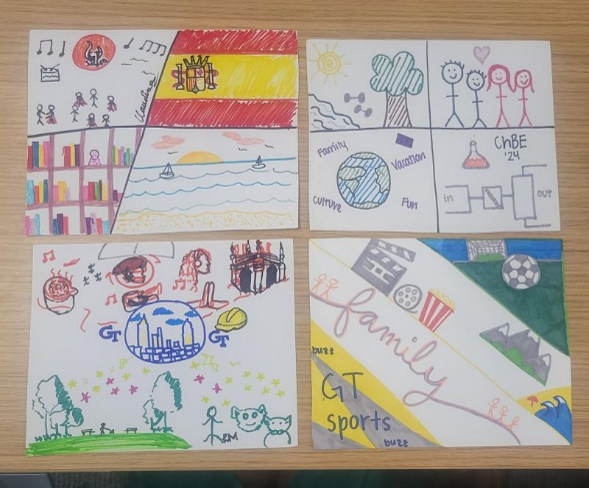
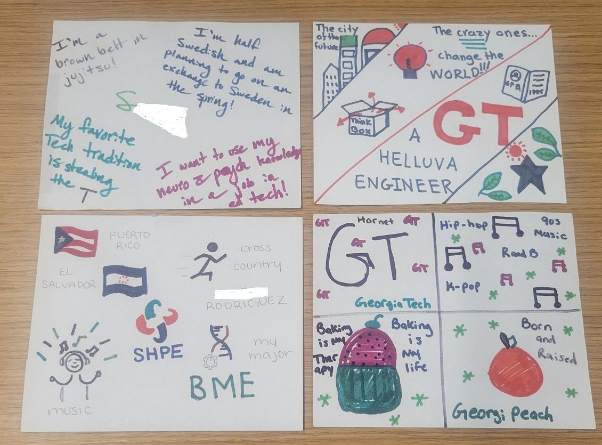 Creating this empowering culture leads to deep personal connections. Jennifer started a tradition of having students create a "snapshot" card of their interests and life. She asked them to share something about themselves, their interests, and of course, something about Georgia Tech.
Meanwhile, Marion Standaert makes every student employee a personalized Christmas ornament! Marion sums up her philosophy simply: "Be nice but still be the boss. Be approachable and make it a good place to work".
 Operational Agility, Smart Scheduling, and Caring for the Team
From an operational standpoint, student employees bring unmatched energy and flexibility to the office. Think about the high-volume rushes of fall move-in or summer orientation where your office needs to issue hundreds of credentials practically overnight. Audra Forsberg from Wayne State University oversees a combined parking and one card service center. “Demand is cyclical, all IDs all the time then parking all the time. Student workers give us an elastic team that can scale up fast during peak seasons with less impact on departmental budgets or relieve pressure from full-time staff”.
There are also clever operational perks to how you structure your team. Setting a master schedule for the semester and allowing students to work out shift trades among themselves builds autonomy and responsibility. Furthermore, “employing international students can be an operational asset” according to Marion. Because international students often remain on or near campus during academic breaks and holidays, scheduling coverage during quiet campus periods becomes seamless. And when the desk is slow, allowing students to study or do homework keeps the environment relaxed.
Caring for your team also shows up in the little details. I made a point to keep over-the-counter pain relief and feminine hygiene products stocked in the office, a small touch that brought relief to student staff on more than one occasion. Bringing in baked goods is always welcome. And of course, check in with them, ask how their test went and encourage them to their parents!
Finally, student employees are your ultimate built-in quality assurance team. They live in the residence halls, tap into dining venues, and use mobile credentials every day. If an app update is glitchy or a photo portal is confusing, your student workers will spot it first. They can even catch and correct card-related rumors circulating in class! Plus, when a stressed new student visits the card center, seeing a friendly peer behind the counter instantly lowers the temperature.
When you ask campus card leaders about the best part of employing students, the answer is unanimous. For Wendy McCrory, the absolute best thing is "watching them grow and become confident".
Launchpads for Real World Careers and Lifelong Connections
Working in a card office is a crash course in professional readiness. Students learn professionalism, patience, conflict resolution, customer service skills, and how to be detail oriented. Card managers can actively teach communication tools that help introverts overcome shyness and shine at the counter. Working shifts in pairs also allows students to form close, lasting friendships and form a team that wants the card center to succeed.
The impact of these relationships extends far beyond graduation day. Wendy keeps in touch with former student workers on social media, watching proudly as one went to law school and another earned a master's degree. Many card centers are now run by former student staff. I still connect with my former student staff on Instagram, Facebook, and at Homecoming reunions. They’ve expressed “appreciation for the experience and support we provided”. Watching them succeed in their careers and lives is gratifying.
The Big Picture
Investing in student workers creates a continuous loop of success for everyone involved. Full-time staff get strategic space and leadership growth, the office operates with agility, and students gain skills that last a lifetime. As Jennifer Rocke noted when looking back on her student teams, these experiences represent "growth, relationships, and the lasting impact that people can have on one another". At the end of the day, helping these students grow into confident professionals is a great reminder of our true mission in higher education and is easily one of the most rewarding parts of our job.
Special thanks to the following NACCU members who shared their insights:
- Jennifer Rocke, Georgia Institute of Technology
- Marion Standaert, University of St. Thomas – Minnesota
- Audra Forsberg, Wayne State University
- Wendy McCrory, North Dakota State University