
What Happens When Campus Card Centers Stop Working in Silos?
What Happens When Campus Card Centers Stop Working in Silos?

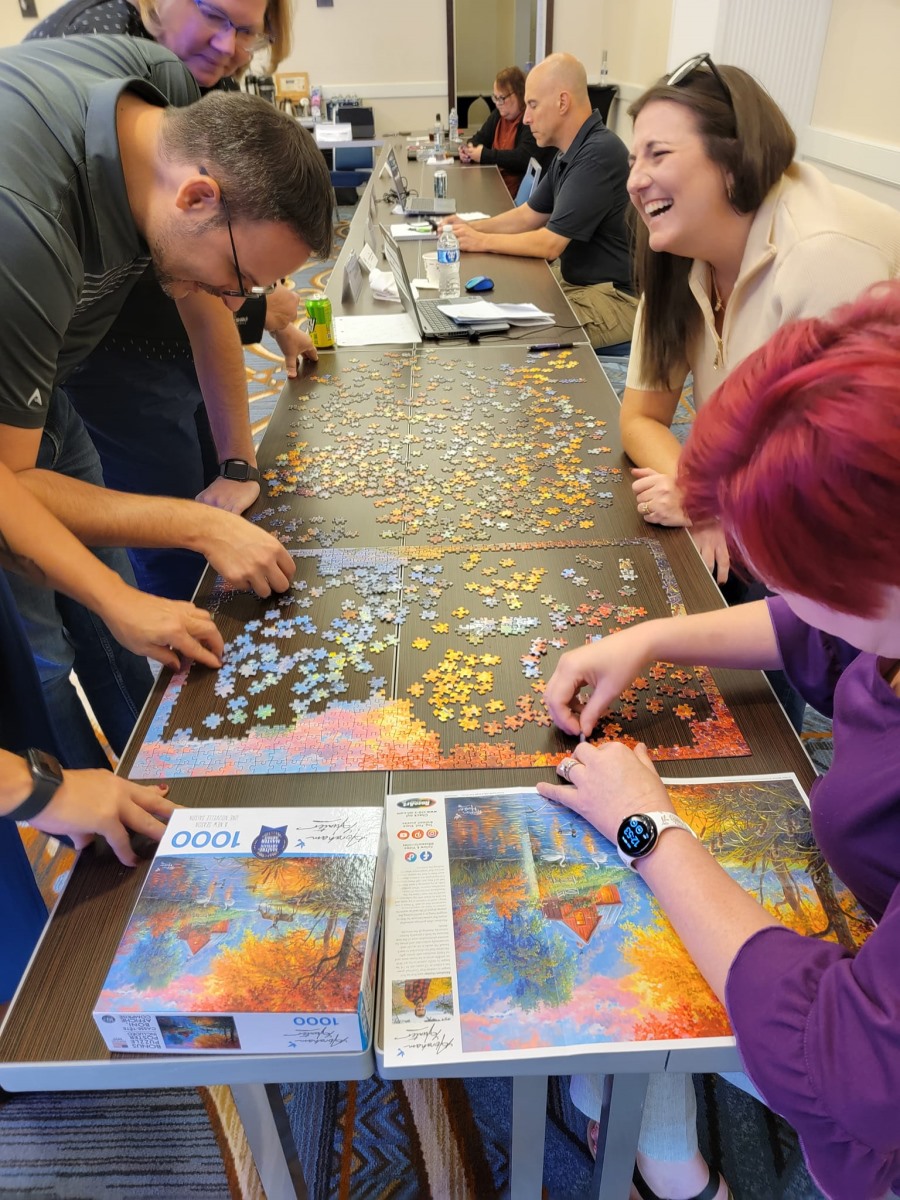
If you work in a campus card center, you know exactly what it feels like when the campus acts like a jigsaw puzzle that never gets put together. Every department has its own set of pieces; housing, dining, IT, public safety, athletics, academics, enrollment services; and each one is doing great work. But when those pieces act as silos and aren’t all connected, the picture of the student experience never fully forms.
And because the card center knows how every piece fits together, we’re often the first to notice when something doesn’t fit.
You’ve seen it, students move into their residence hall, but their access doesn’t sync, a meal plan activates in one system but not another, a student worker’s permissions don’t match their job. Three departments have three different identity processes, and the card center is left fitting them together.
Students don’t see the silos; they just see that their card doesn’t work. And to them, the card center is the university at that moment.
When the puzzle pieces don’t connect, the whole campus feels the impact. Students hit friction points. Staff spend time fixing issues that shouldn’t exist. And the card center becomes the unofficial translator between systems that were never designed to talk to each other.
None of this happens because people don’t care. It happens because the pieces never made it onto the same table.
The good news? Card centers are natural connectors. We already work across departments, systems, and priorities. We see the whole picture even when others only see their corner.
 That means we can help the campus agree on shared identity data, plan cross‑functionally instead of in isolation, build workflows that make sense from end to end, and create a smoother, more unified student experience.
The campus card center is in a unique position to understand how the pieces fit together. Bring them together by going on a discovery tour. Schedule meetings, one on one with other directors, or with a department, to explain what the card center does and ask if you can help that department be more efficient or effective. Volunteer to serve on staff senate, other pertinent committees, or help with family weekend. Attend campus events and interact with colleagues. Ask and listen. We build interfaces among our software systems; now build the interfaces from the card center to the silos. Once everything is on the table (remember to look for the rogue piece that fell on the floor!) and the pieces interlock, the picture becomes clear. Card centers can be the ones who invite everyone to the table and help the institution see how the pieces fit.
And when they do? Students feel it. Staff feel it.
The whole campus feels more connected.